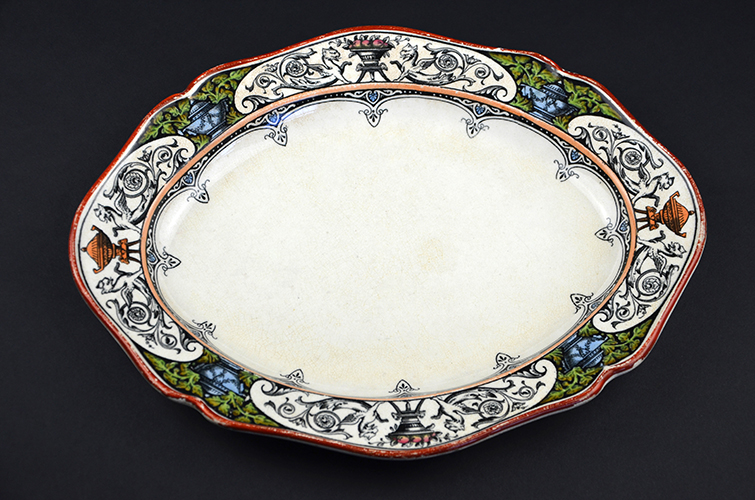
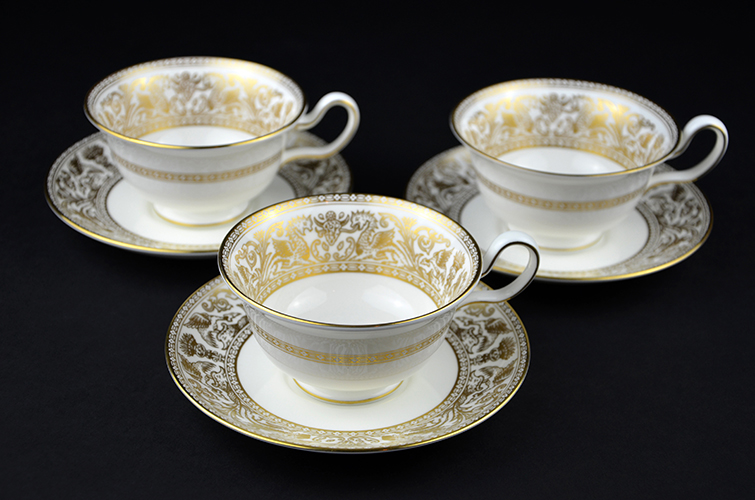
Dresden fine china has long captured the imagination of collectors, decorators, and anyone who appreciates the artistry of delicate porcelain. Rooted in the rich ceramic traditions of 18th-century Germany, Dresden pieces are known for their exquisite hand-painted designs, intricate detailing, and unmistakable elegance. The name “Dresden” evokes visions of soft florals, gold accents, and graceful shapes—elements that transformed everyday tableware into miniature works of art. Even today, centuries after its beginnings, Dresden china continues to symbolize refinement and craftsmanship that stands apart in a world of mass-produced goods.
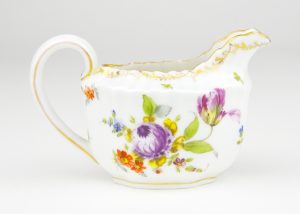
One of the hallmarks of Dresden fine china is its extraordinary painting. Artisans trained for years to master the soft pastel flowers, swirling rococo motifs, and delicately shaded figures that decorate these pieces. Many designs were inspired by the royal collections of Saxony, where porcelain was prized as “white gold.” The result is porcelain that feels both historic and timeless, ornate yet somehow still fresh. Whether displayed in a cabinet or used for a special occasion, Dresden pieces invite admiration and curiosity—each brushstroke revealing the hands of the artist behind it.
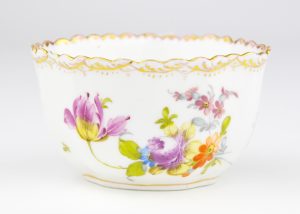
Collecting Dresden porcelain can be as rewarding as it is beautiful. Because pieces were created by various decorating studios around Dresden, markings can vary, giving collectors the fun challenge of identifying origins and styles. Some are lavish with raised gold gilt, while others favor airy floral sprays or charming courting scenes. Regardless of the pattern, the quality is consistently high, making even modest pieces treasures worth preserving. Many collectors enjoy the thrill of finding a teacup, figurine, or serving dish that complements their existing pieces or opens a new avenue of discovery.
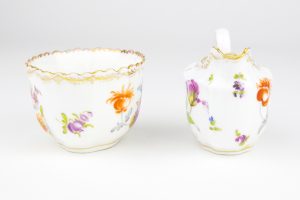
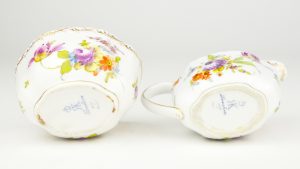
Ultimately, Dresden fine china is more than porcelain—it’s a celebration of artistry, history, and the enduring pleasure of surrounding ourselves with beautiful objects. Whether you’re a seasoned collector or simply appreciating it for the first time, Dresden invites you into a world where craftsmanship truly shines.
This item is currently available in our eBay store.
References:
- Dresden Porcelain Studios: Identification & Value Guide by Jim Harran & Susan Harran
- English, American European, and Oriental Furniture, Staffordshire, Bennington Ware, and Dresden Porcelains, Oriental Rugs, Georgian Silver and Sheffield Plate, Chinese Semi-Precious Mineral Carvings, Paintings, Embroideries, Tapestries: A Most Interesting Groupd of Chinese and Korean Furniture and Decorations, Early American and Table Glass, Decorative Objects, Curios, Arms by Anderson Galleries Inc
- Early Meissen Porcelain in Dresden by Ingelore Menzhausen