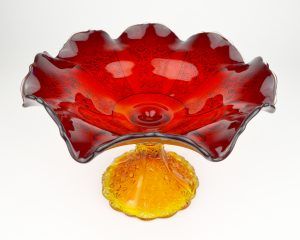
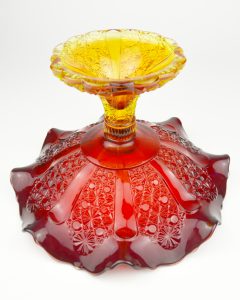
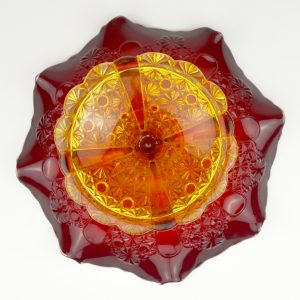
Amberina Glass: A Glowing Reflection of 19th-Century Innovation – Red and Yellow Glass Compote with Ruffle Top and Daisy and Button Pattern

Amberina glass is a stunning art glass known for its distinctive color gradient, transitioning smoothly from deep red at the top to rich amber or golden yellow at the base. First developed in the late 19th century by the New England Glass Company around 1883, this unique glass became a symbol of American creativity and craftsmanship during the Victorian era.
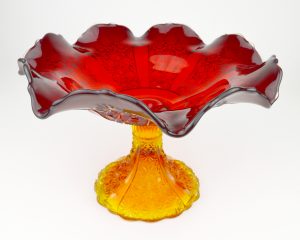
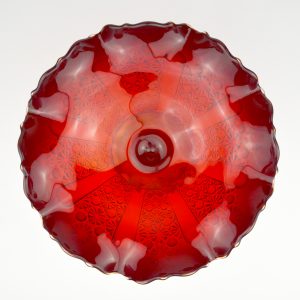
BUY NOW! Gorgeous two tone glass compote with brilliant fiery red and yellow color. Very large and wide bowl. Great showy serving piece for a party or display. Approximate dimensions: 12″ (diameter) x 8″ (height). c vintage. Unknown origin.

The signature color effect of Amberina was achieved through precise control of heat and metallic oxides—particularly gold—during the glassmaking process. When reheated, the glass would shift in hue, creating the warm, glowing two-tone effect that collectors admire today. Each piece required great skill, as the delicate transition depended on the artisan’s timing and mastery of temperature.
Amberina glass was used to craft a variety of items, including vases, pitchers, tumblers, and lamps. Its radiant beauty made it a popular choice for both decorative and functional household objects. Later, similar styles such as Blue Amberina and Reverse Amberina emerged, reflecting continued experimentation in color and design.
Today, authentic Amberina pieces are highly collectible, treasured for their historical significance and mesmerizing beauty—a perfect marriage of science, art, and the timeless allure of glowing glass.
This item is currently available in our eBay store.

References:

  1. Mid-Century Modern Glass in America by Dean Six & Paul Eastwood
  2. Elegant Glass: Early, Depression, & Beyond by Debbie & Randy Coe
  3. Vintage Living: Creating a Beautiful Home with Treasured Objects from the Past by Bob Richter
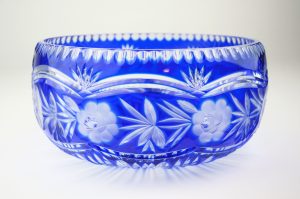
The Timeless Allure of Bohemian Elegance: 9″ Cut to Clear Cobalt Blue Crystal Glass Serving Bowl

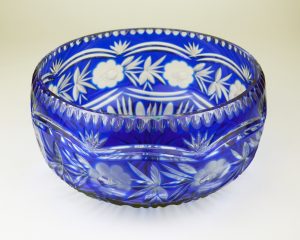
Cut-to-clear crystal glassware has long been admired for its stunning interplay of color, craftsmanship, and light. Among the most celebrated examples are Bohemian cut-to-clear pieces from the regions of Czechoslovakia, where master glassmakers perfected the art of layering richly colored glass over clear crystal and carving intricate designs through both layers. The result is breathtaking: deep jewel tones that sparkle brilliantly as light dances across sharply cut patterns.

dsc_9623
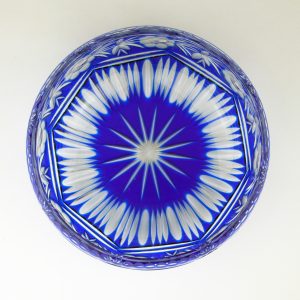
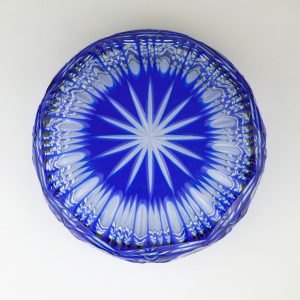
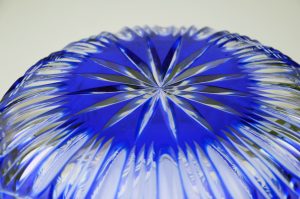
SOLD OUT Gorgeous cut to clear serving bowl.  Brilliant cobalt blue with floral and sunburst pattern.  Approximate dimensions: 9″ (diameter) x 4 1/2″ (height).

A cut-to-clear crystal serving bowl or set of wine glasses instantly elevates any table setting. Colors such as cobalt, amethyst, amber, emerald, and ruby are among the most iconic hues produced in Bohemian glasshouses. Cobalt radiates a deep sapphire glow, while amethyst offers a regal purple shimmer. Amber brings warmth and vintage charm, emerald adds lush vibrance, and ruby dazzles with bold, romantic intensity. Each color tells its own story, yet together they reflect the artistic richness of Central Europe’s glassmaking heritage.

dsc_9615
dsc_9618

The beauty of cut-to-clear crystal lies not only in its vivid hues but in the precision of the cutting itself. Skilled artisans use rotating wheels to remove sections of the outer colored layer, revealing the brilliant clear crystal beneath. Common motifs include starbursts, hobstars, fans, vertical flutes, and crosshatch patterns, each catching and refracting light in captivating ways. This combination of technique and artistry creates pieces that feel both luxurious and timeless.

dsc_9619
dsc_9620

Collectors and décor enthusiasts treasure Bohemian cut-to-clear crystal for its ability to blend function with ornament. A serving bowl becomes a centerpiece even when empty, while wine glasses become conversation starters at dinners and celebrations. Whether displayed in a china cabinet or used for special occasions, these vibrant crystal pieces offer a touch of Old World elegance that continues to enchant across generations.

Items like this are currently available in our eBay store.

References:

  1. Crystal Stemware Identification Guide by Bob Page and Dale Frederiksen
  2. European Glass in the J. Paul Getty Museum by Catherine Hess and Timothy Husband
  3. Purple Glass: 20th Century American & European by Leslie Piña