“Off to See the Wizard” of Oz: A Captivating Portrait Graphite Drawing Print by Robert Gentry

“Off to See the Wizard,” striking childrens portrait drawing by artist Robert Gentry, captures the whimsical spirit and emotional nostalgia of The Wizard of Oz while showcasing the artist’s gift for expressive realism. Though inspired by a timeless story, Gentry’s piece stands firmly in the realm of fine art, offering viewers a fresh interpretation that feels both familiar and entirely new.
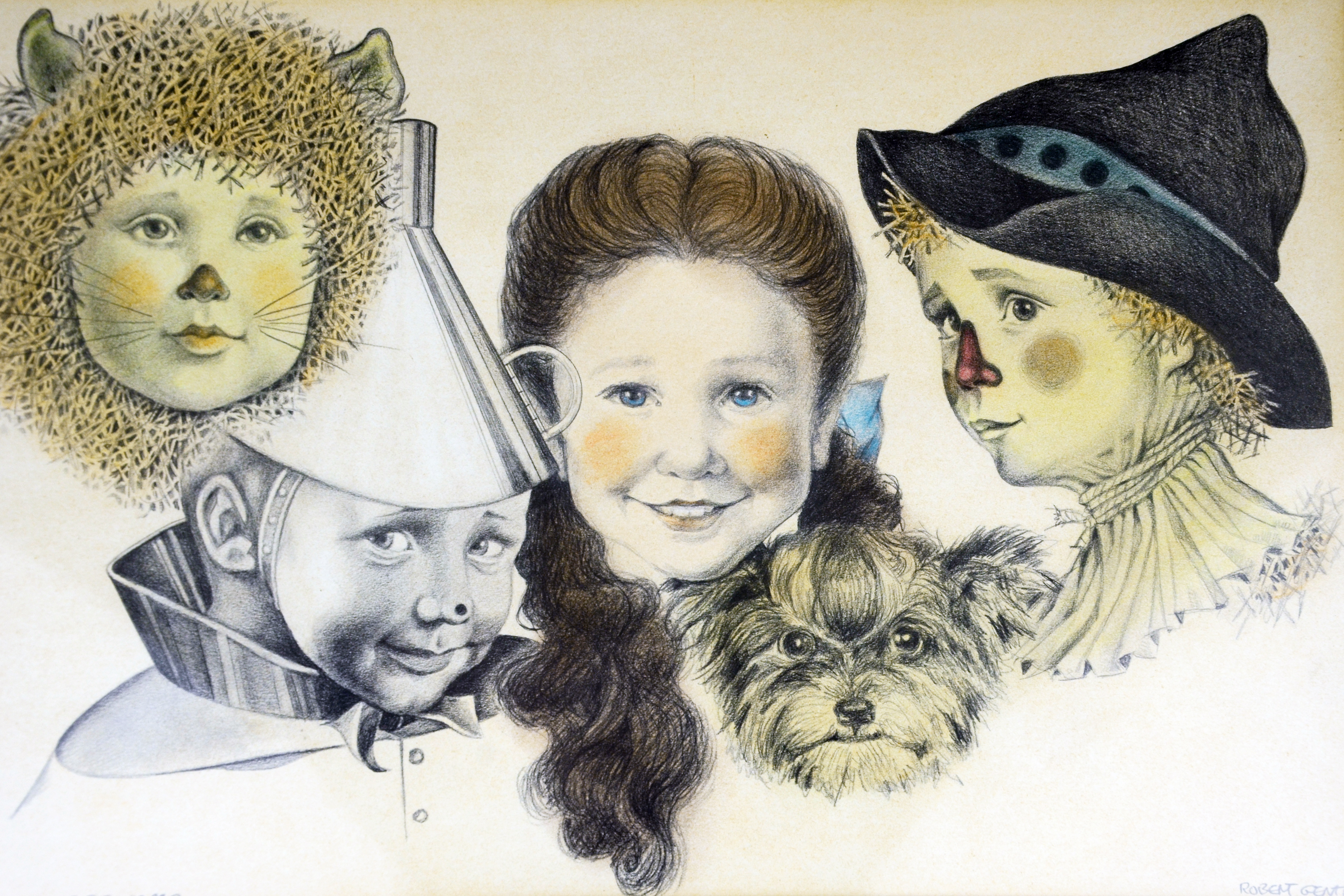
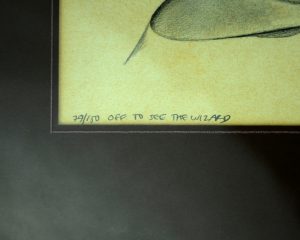
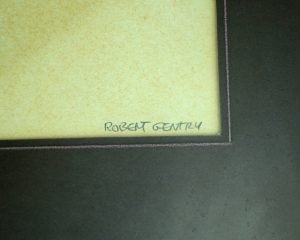
SOLD OUT Wonderful print by Robert Gentry depicting children as the characters from the Wizard of Oz–Dorothy, Toto, the Tin Man, Scarecrow and the Cowardly Lion. Original piece appears to be a colored graphite drawing. Print is signed by the artist, “Robert Gentry.” Edition, 79/150. Approximate print dimensions: 18″ (length) x 12″ (width). Frame dimensions: 20 1/2″ (length) x 16 1/4″ (width). c. vintage. Unknown origin.

The portraits are rendered with remarkable attention to detail. Gentry’s use of delicate linework and carefully shaded textures brings out the characters’ anticipation and sense of wonder, reflecting the inner excitement of child characters were they on an extraordinary journey together. The title itself nods to the beloved chant from the classic film, but the drawing steers away from literal depictions. Instead, Gentry focuses on child-like emotion—capturing a look of innocence and joy in the subjects’ eyes and facial features that resonate with any viewer who remembers childhood friendships and play.
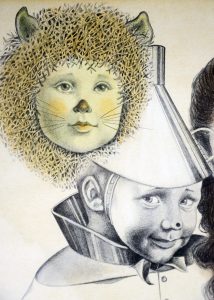
One of the most compelling aspects of this piece is Gentry’s ability to blend fantasy and realism. Subtle visual cues—like the tilt of the head, the slight grins, or the soft gazes—hint at a magical world beyond the frame. Yet the portrait remains grounded, almost introspective, inviting viewers to fill in the story themselves.
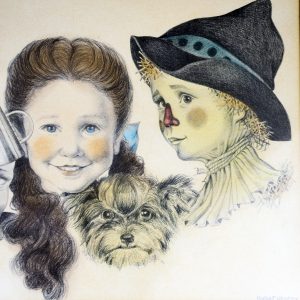
“Off to See the Wizard” exemplifies why Robert Gentry’s artwork connects with so many people. His portraits don’t simply recreate faces; they reveal narratives, emotions, and aspirations. This drawing, in particular, reminds us of the timeless call to adventure, the courage to pursue dreams, and the magic found in the journey itself. It’s a piece that lingers in the mind—an imaginative tribute to Oz, but even more so, a tribute to the dreamer in all of us.
Items like this are available in our eBay store.

References:

  1. The Wizard of Oz: The Official 75th Anniversary Companion by William Stillman and Jay Scarfone
  2. The Art of Oz: Witches, Wizards, and Wonders Beyond the Yellow Brick Road by Gabriel Gale, Michael Patrick and John Fricke
  3. The Wonderful Wizard of Oz: Deluxe Edition – The Complete Original Unabridged Unaltered Text from 1900 by L. Frank Baum
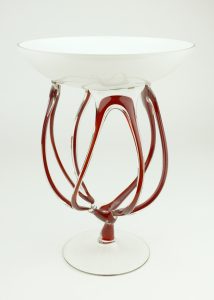
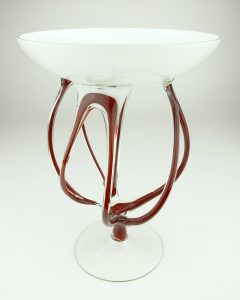
Exploring the Beauty of Glass Art: Work by Makora Krosno – Red and White Hand Blown Art Glass Compote

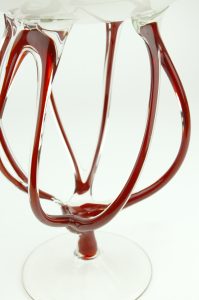
Glass art has a timeless allure—an alchemy of fire, sand, and human creativity that transforms simple materials into luminous works of beauty. Among the many forms glass artistry takes, the compote stands out as a particularly elegant example. Traditionally used to serve fruit or display sweets, compotes are beloved today not only for their function but also for their sculptural presence. Their pedestal bases, flared bowls, and sweeping lines make them a favorite among collectors of vintage and contemporary glass alike.

dsc_9720
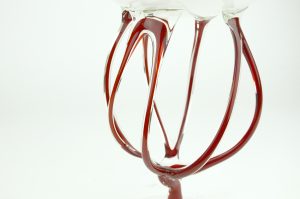
SOLD OUT Gorgeous piece of glass art.  Compote is cherry red clear glass with opaque milk glass-like bowl.  Unusual “jellyfish” style design.  Approximate dimensions: 8 1/2″ (maximum diameter) x 11 1/4″ (height). Made in Poland.

Compotes often reflect the aesthetics of the era in which they were made. From delicately cut crystal of the early 20th century to bold mid-century modern shapes and vibrant studio glass forms, these pieces embody both utility and artistry. They are equally at home as centerpieces, decorative accents, or display pieces that highlight the craftsmanship of the glassmaker.

dsc_9713_small

One name frequently associated with fine European glass is Makora Krosno, a studio connected to the renowned Polish glassworks in Krosno, a region long celebrated for its skilled artisans. Makora Krosno became known for producing distinctive art glass, particularly during the late 20th century. Their pieces often feature fluid, organic shapes, rich jewel-toned colors, and layered or cased glass techniques that create depth and movement within the piece.

dsc_9715

Collectors appreciate Makora Krosno for the way the studio blended modern artistic sensibilities with traditional glassmaking expertise. Many of their works—vases, bowls, and sculptural forms—showcase the expressive possibilities of hand-blown glass. While not every piece is signed, Makora glass is typically identifiable by its vibrant hues, generous use of color gradients, and masterful control of molten glass.

dsc_9718

Whether displayed on a shelf or paired with vintage décor, Makora Krosno art glass and classic compotes offer a striking way to bring the beauty of glass craftsmanship into everyday life. Their artistry endures, shimmering with the same light and imagination that shaped them.

Items like this are currently available in our eBay store.

References:

  1. Carved & Decorated European Art Glass by Ray Grover and Lee Grover
  2. European Glass in the J. Paul Getty Museum by Catherine Hess and Timothy Husband
  3. Glass: A Short History by David Whitehouse