J Wilkes Lithograph Print Scientific Illustration of Bird Wildlife: Chatterers (Ampelis) and Rollers (Coracias)

J. Wilkes lithograph prints stand as exquisite examples of 19th-century scientific illustration, capturing the grace, detail, and diversity of avian wildlife. Produced during an era when natural history exploration was flourishing, these prints combined artistry with scientific precision, offering both aesthetic beauty and educational value.
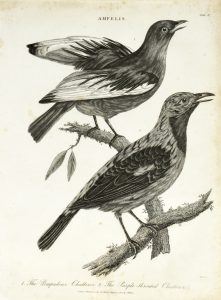
SOLD OUT Antique lithograph print of Ampelis (genus) birds, purple-throated chatterer and Pompadour chatterer by J. Wilkes. Scientific illustration with exquisite detail. Great piece for a birder or wildlife biologist. These birds are native to South America (Brazil, French Guiana). Print text: “Ampelis. Plate II. 1. The Pompadour Chatterer. 2. The Purple-throated Chatterer. Pass sc. London. Published as the Act directs, August 22, 1807, by J. Wilkes.” Approximate dimensions: PRINT: 12″ (length) x 10″ (width); FRAME: 18″ (length) x 15″ (width). c. early 1800s. Printed in England.

J. Wilkes, often associated with natural history publications of the late 18th and early 19th centuries, created finely detailed lithographs that depicted a wide range of bird species from around the world. Each print showcased the artist’s meticulous attention to anatomy, coloration, and posture—traits essential for accurate scientific documentation before the advent of modern photography. The lithographs were typically hand-colored after printing, adding depth and vibrancy that brought each bird to life on the page.

These works were not merely artistic renderings; they were visual records intended to advance the understanding of ornithology. The prints often accompanied scientific texts, helping scholars and enthusiasts identify species and study their physical characteristics. Many feature birds set against naturalistic backgrounds—branches, nests, or subtle landscapes—creating compositions that balanced realism with elegance.
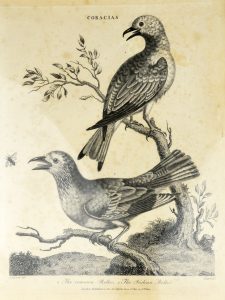
SOLD OUT Second print: Antique lithograph print of Coracias (genus) birds, common roller and Indian roller by J. Wilkes. These birds are native to Europe and South Asia. Print text: “Coracias. G. Edwards del. J. Pafs Sculp. 1. The Common Roller. 2. The Indian Roller. London. Published as the Act directs, June 4th, 1802, by J. Wilkes.” Approximate dimensions: PRINT: 12″ (length) x 10″ (width); FRAME: 18″ (length) x 15″ (width). c. early 1800s. Printed in England.

Today, J. Wilkes lithographs are highly sought after by collectors, natural history enthusiasts, and art historians alike. Their enduring appeal lies in the harmonious blend of art and science, reflecting a period when exploration and discovery were central to human curiosity. Original Wilkes prints, often printed on fine rag paper and preserved in archival conditions, continue to adorn galleries, libraries, and private collections worldwide.

As authentic artifacts of early ornithological study, J. Wilkes’ bird lithographs remain a testament to the enduring beauty of nature seen through the eyes of a skilled artist and naturalist—preserving the wonder of wildlife for generations to come.

Items like this are available in our eBay store.

References:

  1. Ornithography: An Illustrated Guide to Bird Lore & Symbolism by Jessica Roux
  2. The Bird: The Great Age of Avian Illustration by Philip Kennedy
  3. The Birds of America by John James Audubon & David Allen Sibley
  4. The History of British Guiana by Henry G. Dalton, p. 395-6
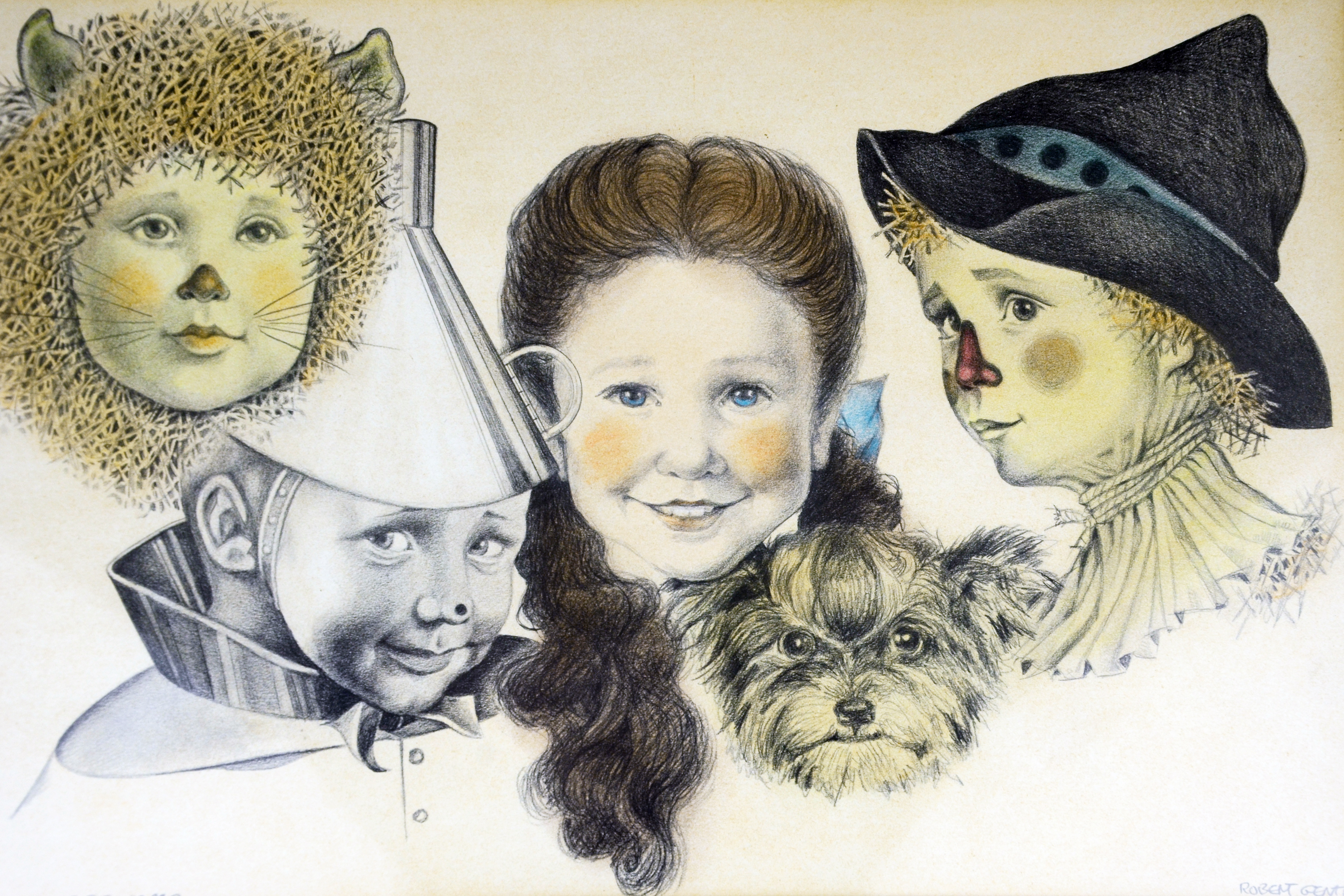
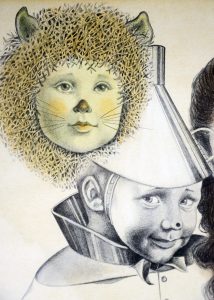
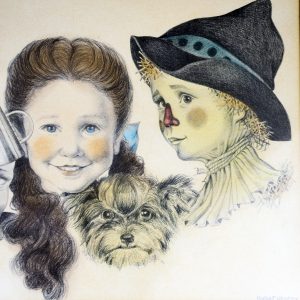
“Off to See the Wizard” of Oz: A Captivating Portrait Graphite Drawing Print by Robert Gentry

“Off to See the Wizard,” striking childrens portrait drawing by artist Robert Gentry, captures the whimsical spirit and emotional nostalgia of The Wizard of Oz while showcasing the artist’s gift for expressive realism. Though inspired by a timeless story, Gentry’s piece stands firmly in the realm of fine art, offering viewers a fresh interpretation that feels both familiar and entirely new.

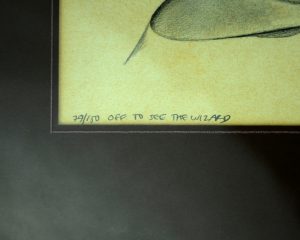
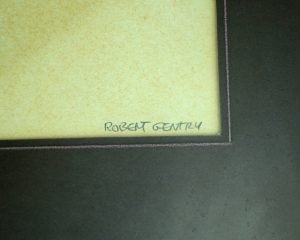
SOLD OUT Wonderful print by Robert Gentry depicting children as the characters from the Wizard of Oz–Dorothy, Toto, the Tin Man, Scarecrow and the Cowardly Lion. Original piece appears to be a colored graphite drawing. Print is signed by the artist, “Robert Gentry.” Edition, 79/150. Approximate print dimensions: 18″ (length) x 12″ (width). Frame dimensions: 20 1/2″ (length) x 16 1/4″ (width). c. vintage. Unknown origin.

The portraits are rendered with remarkable attention to detail. Gentry’s use of delicate linework and carefully shaded textures brings out the characters’ anticipation and sense of wonder, reflecting the inner excitement of child characters were they on an extraordinary journey together. The title itself nods to the beloved chant from the classic film, but the drawing steers away from literal depictions. Instead, Gentry focuses on child-like emotion—capturing a look of innocence and joy in the subjects’ eyes and facial features that resonate with any viewer who remembers childhood friendships and play.

One of the most compelling aspects of this piece is Gentry’s ability to blend fantasy and realism. Subtle visual cues—like the tilt of the head, the slight grins, or the soft gazes—hint at a magical world beyond the frame. Yet the portrait remains grounded, almost introspective, inviting viewers to fill in the story themselves.

“Off to See the Wizard” exemplifies why Robert Gentry’s artwork connects with so many people. His portraits don’t simply recreate faces; they reveal narratives, emotions, and aspirations. This drawing, in particular, reminds us of the timeless call to adventure, the courage to pursue dreams, and the magic found in the journey itself. It’s a piece that lingers in the mind—an imaginative tribute to Oz, but even more so, a tribute to the dreamer in all of us.

Items like this are available in our eBay store.

References:

  1. The Wizard of Oz: The Official 75th Anniversary Companion by William Stillman and Jay Scarfone
  2. The Art of Oz: Witches, Wizards, and Wonders Beyond the Yellow Brick Road by Gabriel Gale, Michael Patrick and John Fricke
  3. The Wonderful Wizard of Oz: Deluxe Edition – The Complete Original Unabridged Unaltered Text from 1900 by L. Frank Baum