Stamp collecting, or philately, has long been cherished as one of the most rewarding and educational hobbies in the world. In the United States, it holds a particularly special place — not only because of the beauty and variety of American stamps, but also because each issue tells a story about the nation’s history, values, and culture. Collecting U.S. stamps is more than just gathering pieces of paper; it’s about preserving fragments of American identity, artistry, and communication.
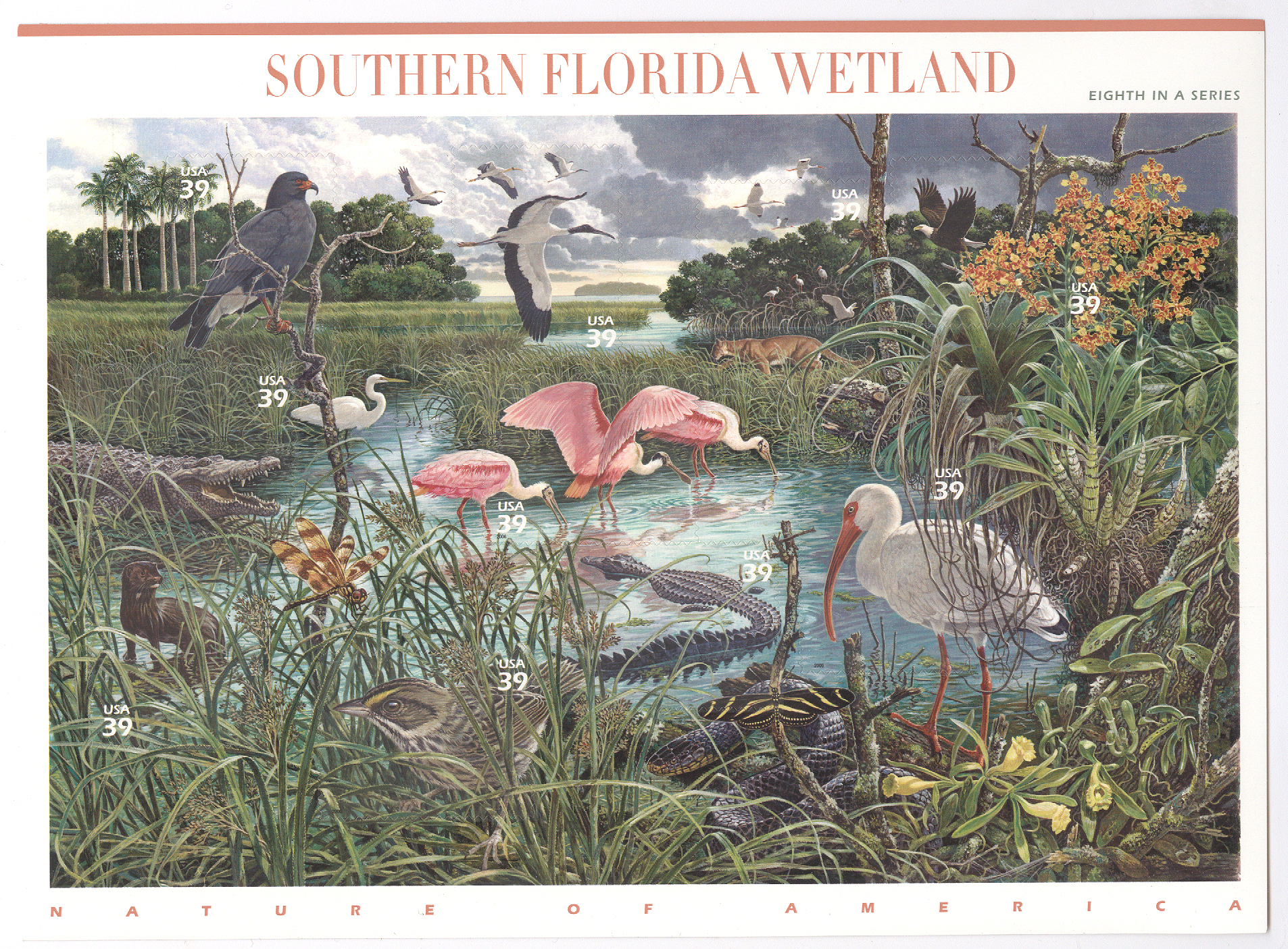
The hobby of collecting United States stamps dates back to the mid-19th century, shortly after the first U.S. postage stamp was issued in 1847. That inaugural stamp, featuring Benjamin Franklin and George Washington, launched a tradition that would grow alongside the nation itself. Over the decades, U.S. stamps have commemorated presidents, historical events, landmarks, inventions, artists, and everyday life — creating a miniature gallery of America’s evolution. For collectors, these small squares of paper offer a tangible way to engage with history, culture, and design.
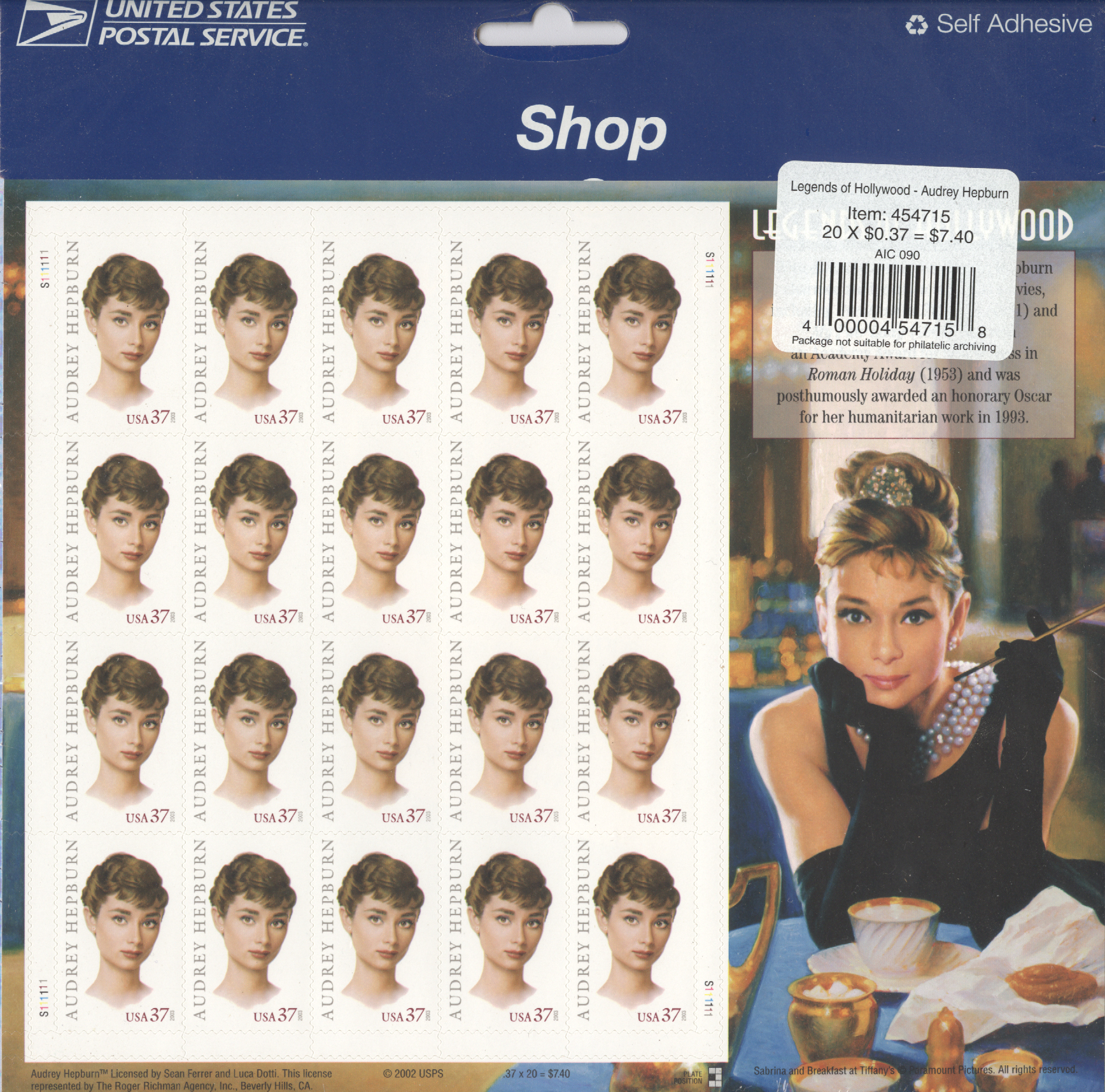
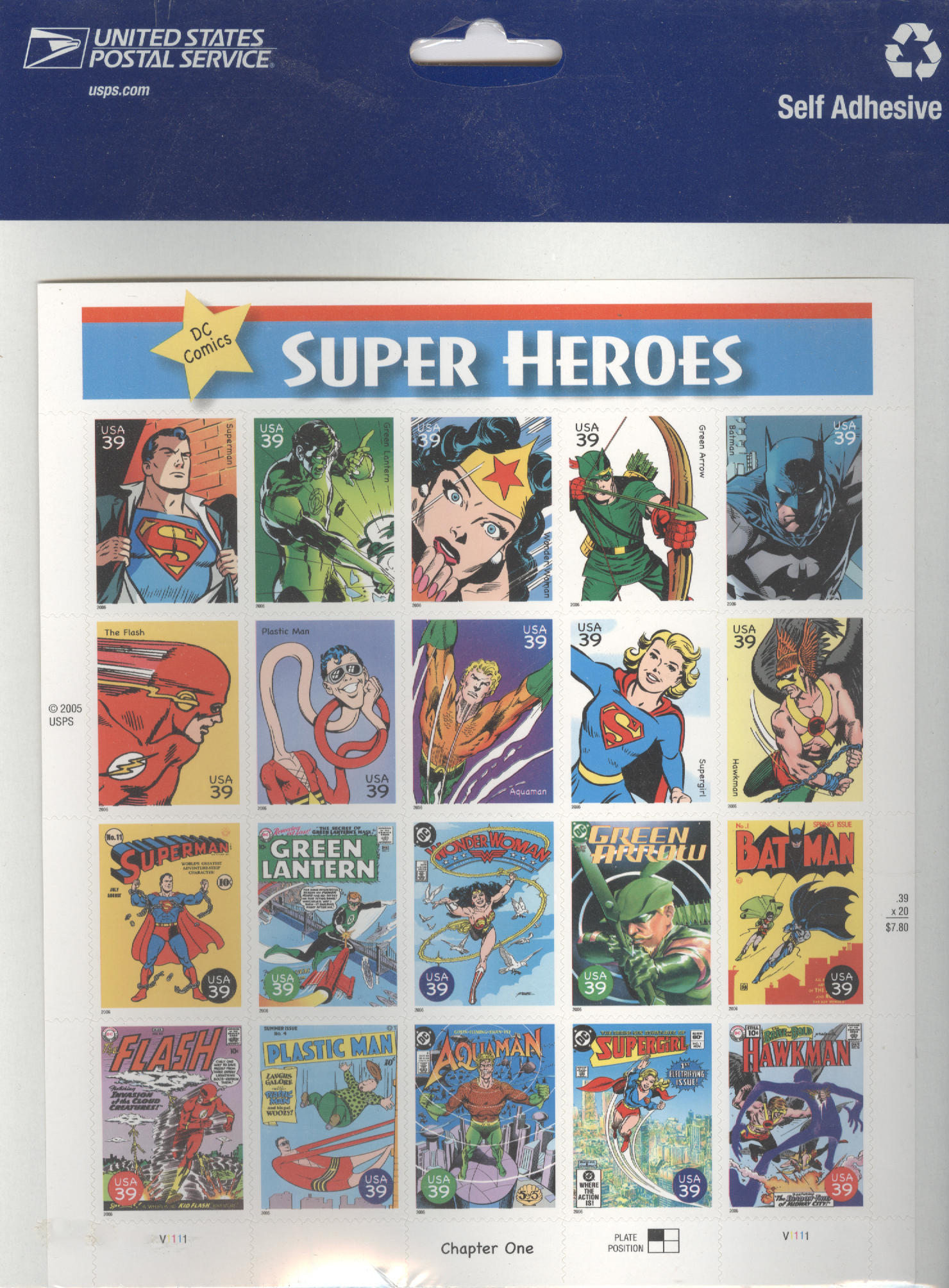
One of the greatest appeals of stamp collecting is its accessibility. Unlike some collectibles that require large financial investments, stamp collecting can be enjoyed at any level. Beginners often start with affordable modern stamps, perhaps pulled from everyday mail, while advanced collectors seek rare and valuable issues like the 1918 “Inverted Jenny,” a famous misprint featuring an upside-down airplane. Every collection, no matter how modest or grand, reflects the personality and curiosity of its creator.
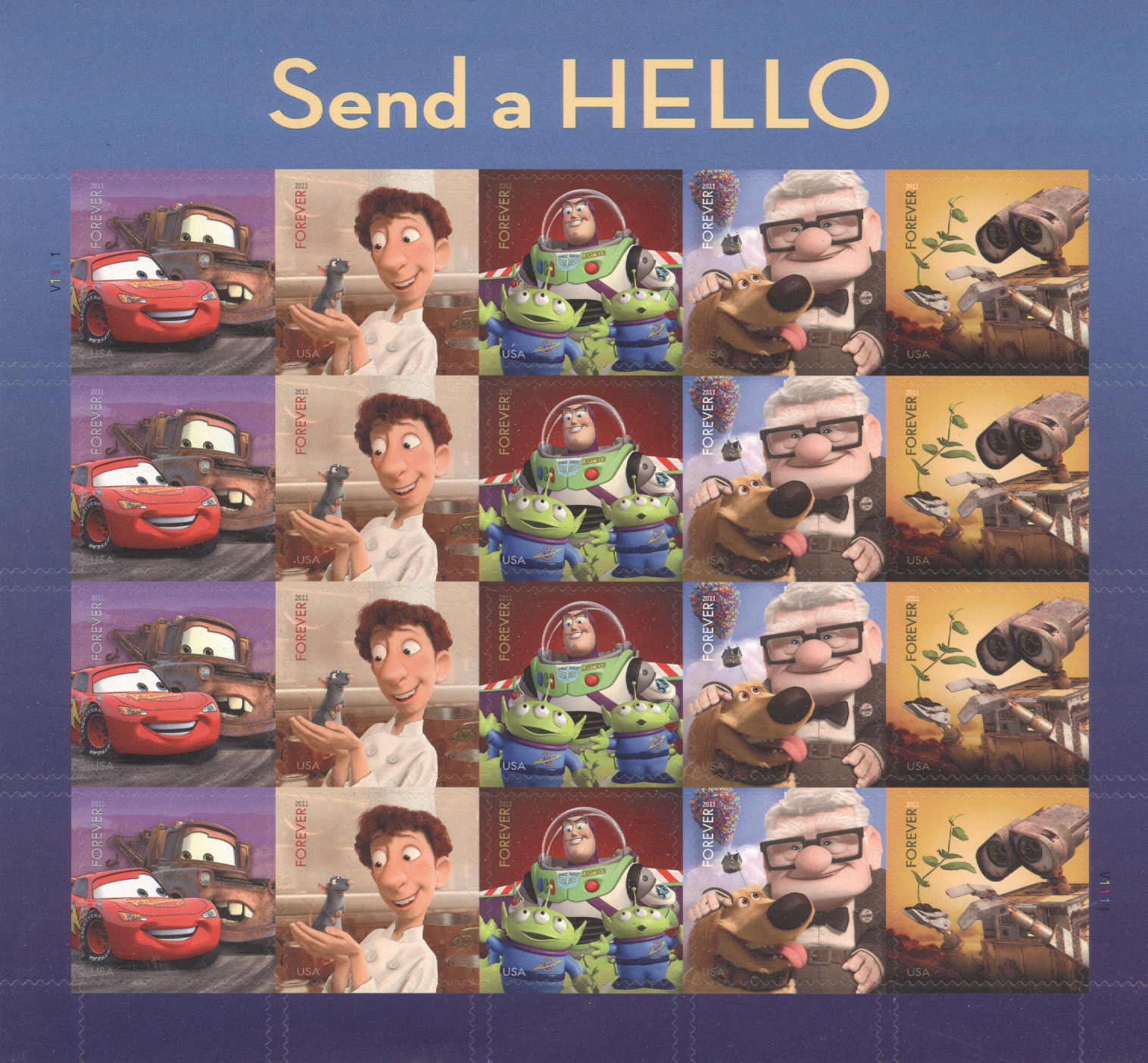

Another attraction of U.S. stamp collecting lies in the variety of themes available. Some collectors focus on specific eras, such as 19th-century classics or the colorful commemoratives of the 20th century. Others build thematic collections around subjects like space exploration, wildlife, or American architecture. The United States Postal Service has long been known for its artistic approach to stamp design, commissioning talented illustrators and engravers to produce miniature masterpieces. Each stamp combines aesthetics with storytelling, offering a window into the era it represents.


Beyond the pleasure of collecting, philately fosters a deep appreciation for history and communication. Before the digital age, stamps were vital tools that connected people across vast distances. They symbolize the evolution of postal service — from the Pony Express to airmail to modern global delivery. By studying stamps, collectors gain insight into how communication, transportation, and technology have shaped the nation. Many enthusiasts also learn about printing techniques, postal history, and geography along the way.
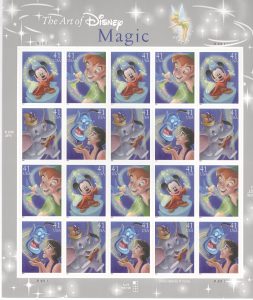

Stamp collecting also builds a strong sense of community. Across the United States, philatelic clubs, exhibitions, and online forums bring collectors together to share discoveries, trade duplicates, and celebrate their shared passion. The American Philatelic Society, founded in 1886, remains a cornerstone of the hobby, supporting education, research, and preservation efforts. Whether in local meetings or digital spaces, collectors of all ages find camaraderie in this timeless pursuit.

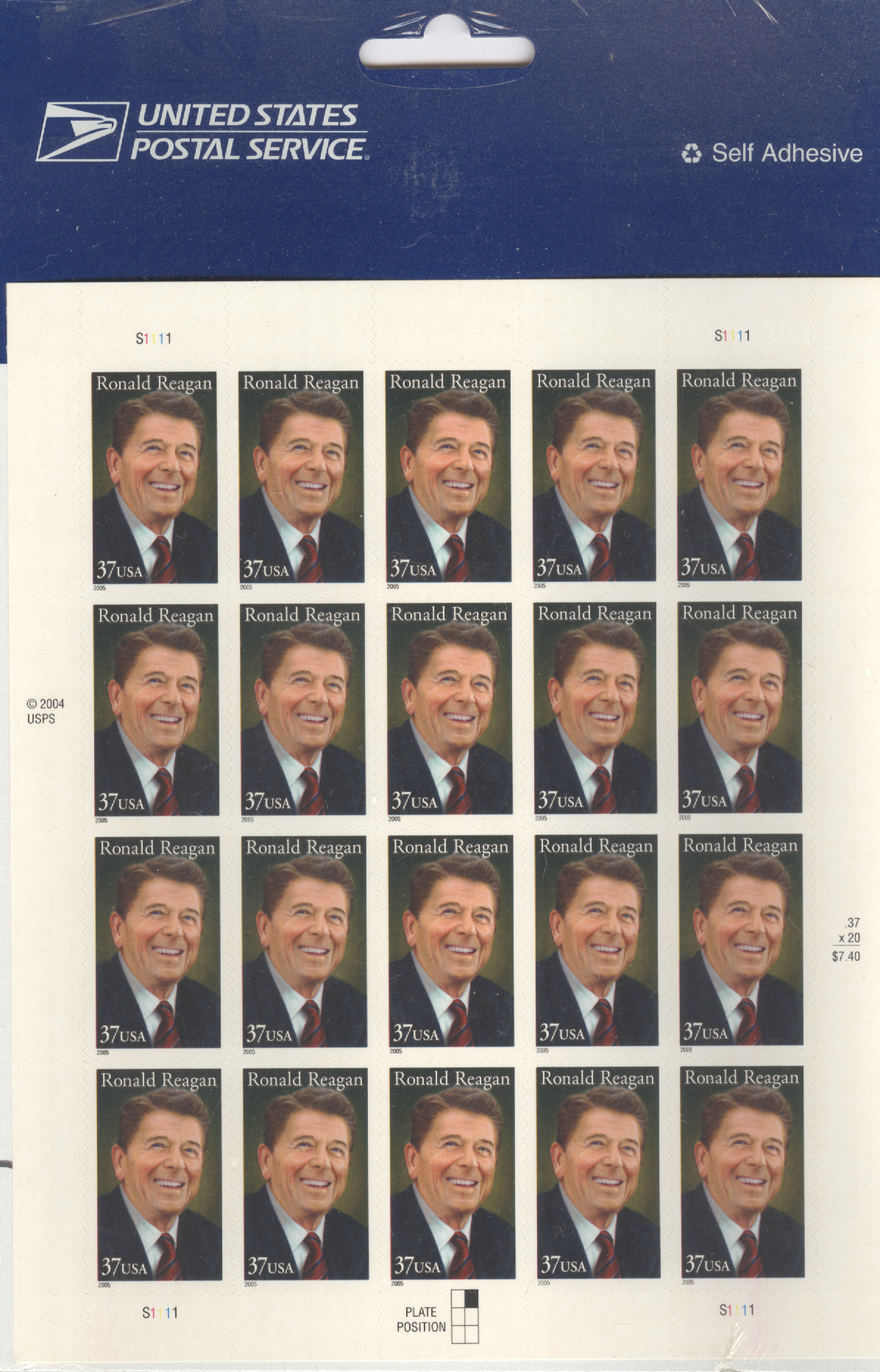
In an era dominated by instant messages and digital correspondence, collecting United States stamps offers a comforting reminder of a slower, more tangible form of connection. Each stamp carries with it a piece of history — a moment frozen in design and ink. For many collectors, the joy lies not only in the hunt for rare finds but in the quiet satisfaction of holding history in their hands. Through this enduring hobby, the story of America continues to unfold — one stamp at a time.
These items are currently available in our eBay store.
References:
- United States Stamps – A History: Volume I – Colonial Days to the Columbians by William Frangipane
- Every Stamp Tells a Story: The National Philatelic Collection (Smithsonian Contribution to Knowledge) by Cheryl Ganz, Richard R. John and M. T. Sheahan
- The Secret World of Stamps by Terry McCaffrey